Series 03 · Track Care
Track care: water, grooming and the week between rides
Watering, grooming, building a berm and moving water off a track: the maintenance side of a private motocross track, with federal design criteria.
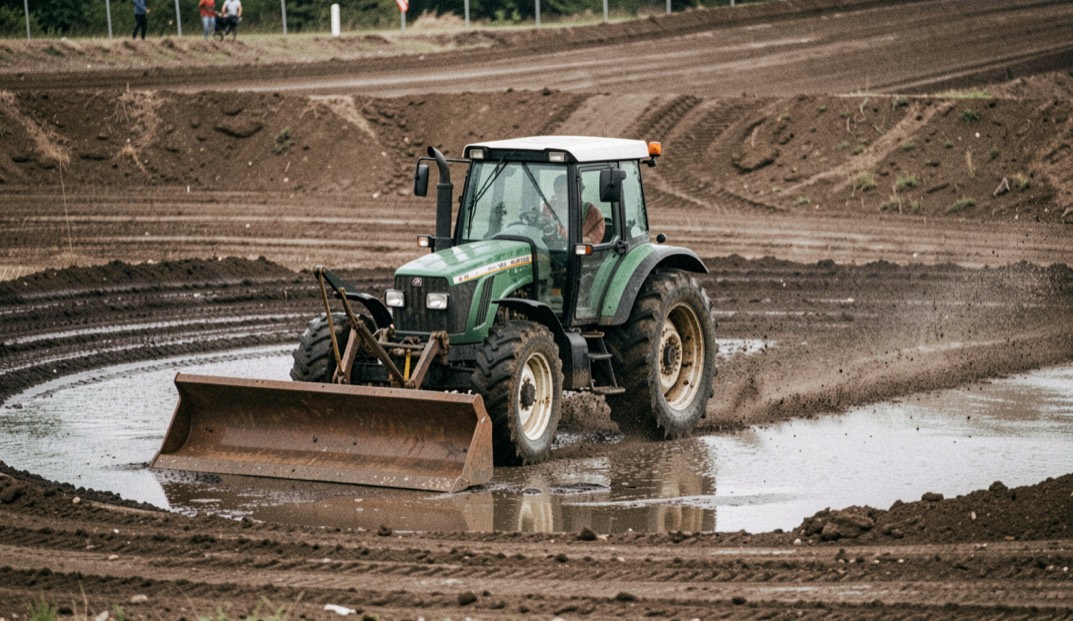
Most of the hours that go into a private track are spent on it when nobody is riding. Water, a blade, a rake, a roller and a great deal of walking around looking at where the water went last time it rained. This series is the maintenance half of the site, and it is the half where public documents actually help, because the federal government has spent decades writing down how water moves across bare ground.
What this series covers
Four notes. Watering, which is the single most misunderstood job on a track, and where a federal emission factor document turns out to explain exactly why the second tanker load is worth so much less than the first. Grooming, meaning the order of ripping, cutting and packing, and the depth at which each of those is useful. Building a berm, meaning material, angle and compaction rather than the shape you draw in your head. And drainage, which is the job that decides whether the other three are worth doing at all.
Where the numbers come from
The drainage note leans on two published conservation practice standards from the Natural Resources Conservation Service, and the watering note on a section of the EPA emission factor compilation. Both are linked in the notes with the date the desk checked them. Neither was written with motocross in mind, which is precisely why they are useful: they describe the ground, not the sport.
An order that works
Drainage first, then grooming, then water, then shapes. A track that holds water in the wrong place will destroy any berm you build on it, and no amount of watering fixes a surface that has never been ripped deep enough to hold moisture below the crust.
Stories in this series
-
· Track Care
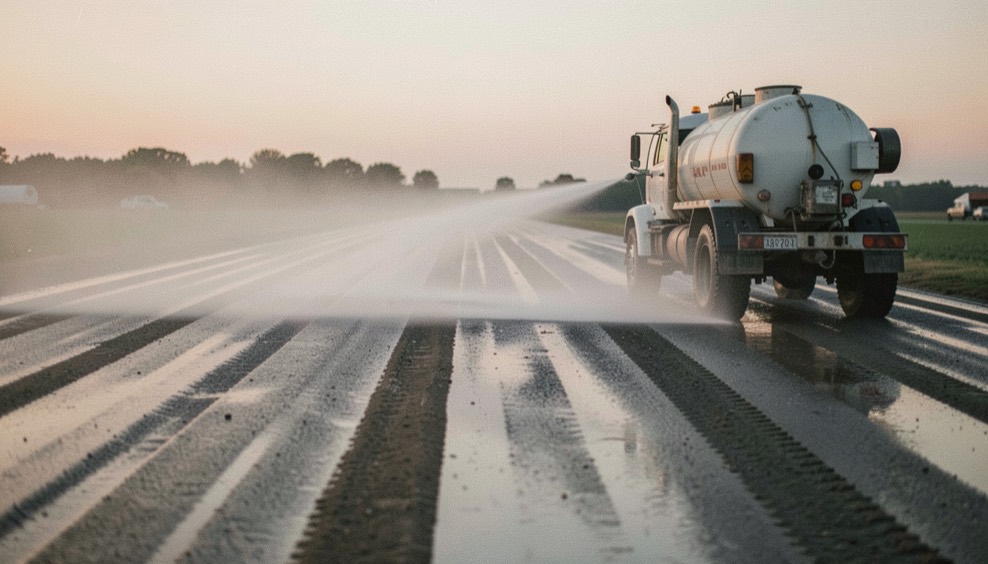
Watering a track: how much, and when
Watering is the job most often done by volume when it should be done by timing. A federal dust document explains why, and the arithmetic is small enough to do on a napkin.
-
· Track Care
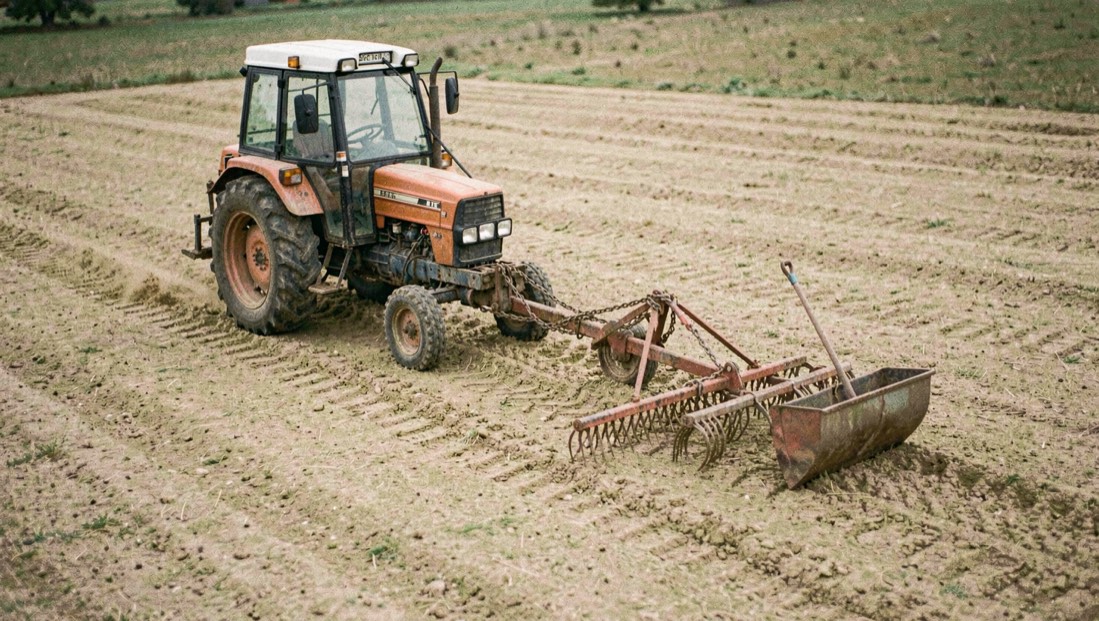
Grooming a track with a small tractor and a rake
Grooming is three different jobs done in an order, not one job done with whatever implement is already hitched. Here is the order, the depths and the tell for each.
-
· Track Care
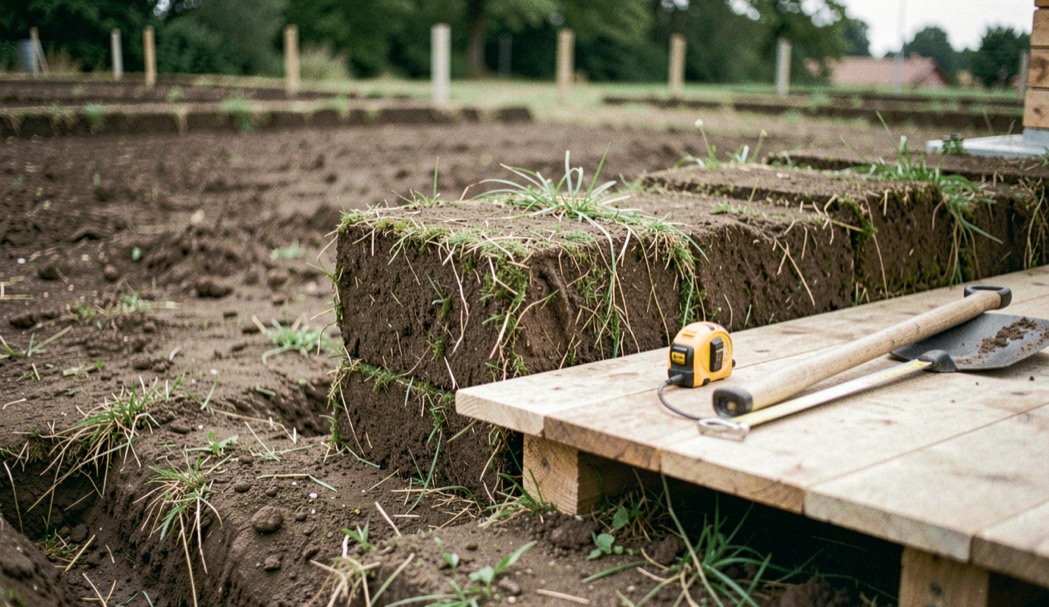
Building a berm that lasts a season
A berm pushed up in one afternoon is gone in three sessions. A berm built in layers survives a season. The difference is compaction, and it costs time rather than money.
-
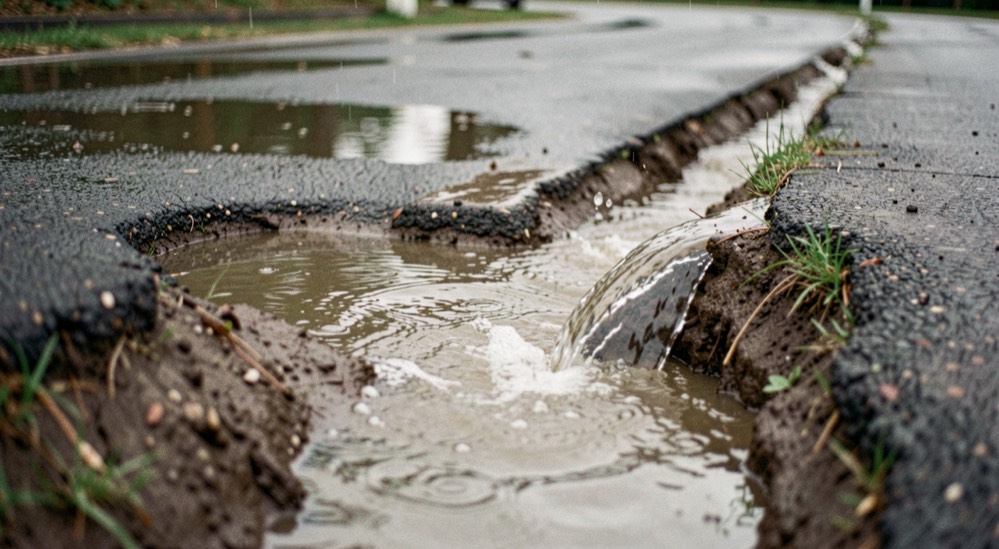
· Track Care
Drainage: keeping a track rideable after rain
Drainage is the job that decides whether watering, grooming and berm building are worth doing. Two published standards give it numbers, and they are free to read.
Read this series next to Gear and the Weekend, and the desk note on the about page.