Series 02 · Jumps and Ruts
Jumps, ruts and berms: how a track takes a shape
Jump faces, berms, rut corners and whoops: how each shape is formed by traffic and water, what it asks of a rider, and how it changes across a day.
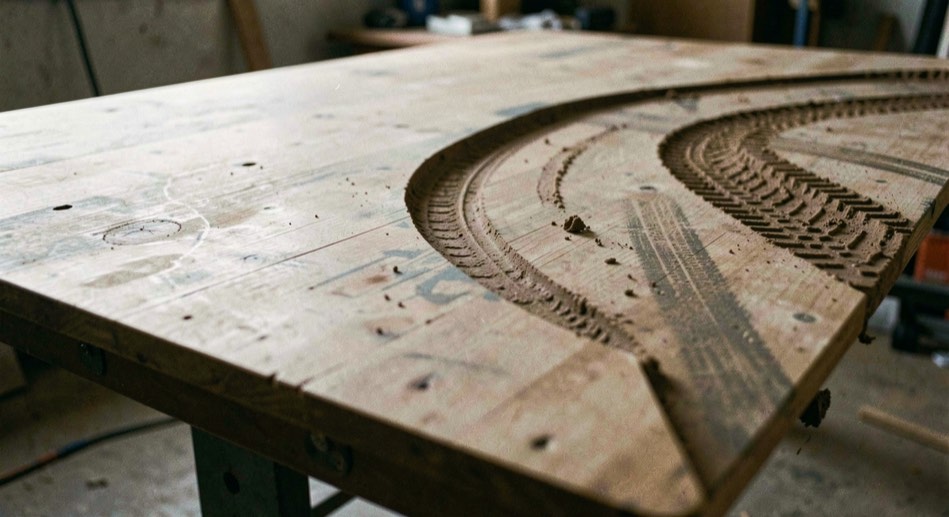
A motocross track is not shaped by a machine. A machine cuts the first version of it, and then traffic and water rewrite that version every day it is ridden. A jump face steepens where riders load it. A berm grows outward and then collapses inward. A single line through a corner becomes two, then three, then a set of ruts deep enough to steer for you.
What this series covers
Four notes on the four shapes that decide most of a lap. The first is about jump faces and what a takeoff angle actually buys, with the standard projectile arithmetic written out so that you can redo it for your own numbers. The second is about berms, and the same treatment applied to banking: how much side support a given height and angle really gives at a given speed. The third is about rut corners and why the second-best rut in the morning is often the best rut by four o'clock. The fourth is about whoops and their spacing.
The arithmetic in these notes
Two of the four notes contain worked calculations. They are calculations, not measurements: the desk states the formula, states the assumptions it ignores, such as air drag and suspension travel, and shows the result. They are there so a reader can put their own numbers in, not so anybody can claim a track was surveyed.
Where to start
If you ride, start with the ruts. If you own the machine that cuts the track, start with the berms, because a berm built at the wrong angle is the most expensive shape on a property to get wrong and the most tiring one to rebuild.
Stories in this series
-
· Jumps and Ruts
Stance and balance on the pegs: a dojo drill
The attack position on a motocross bike and the basic stance in a karate class are the same problem: weight low, joints stacked, feet live, and a center of mass that can move without a windup. If you can hold a stable stance for two minutes on flat ground with someone pushing your shoulder, you can hold it on the pegs through braking bumps. The drill is free, and it exposes the exact habit that makes riders sit down too early.
-
· Jumps and Ruts
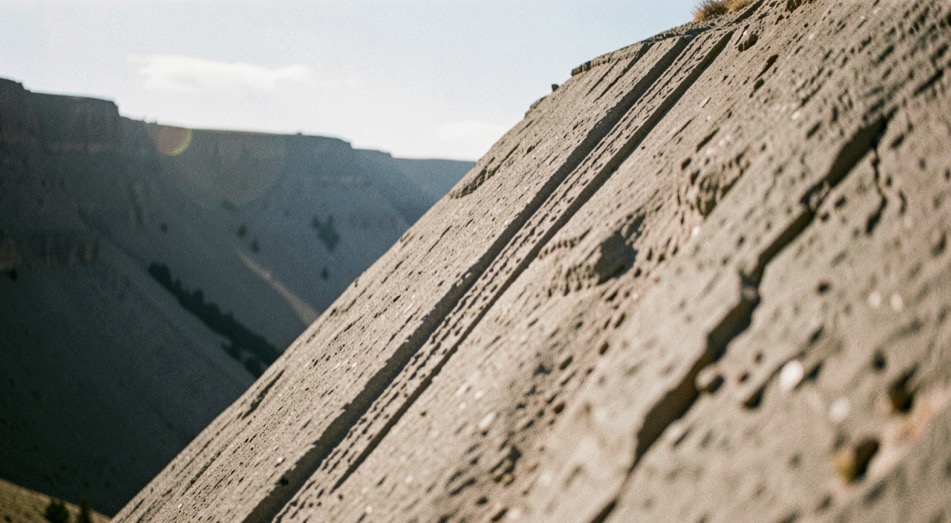
Jump faces: speed, gear and a clean takeoff
Everything that happens in the air was decided in the last twenty feet of dirt. Here is how to read a face, and what plain projectile arithmetic does and does not settle.
-
· Jumps and Ruts
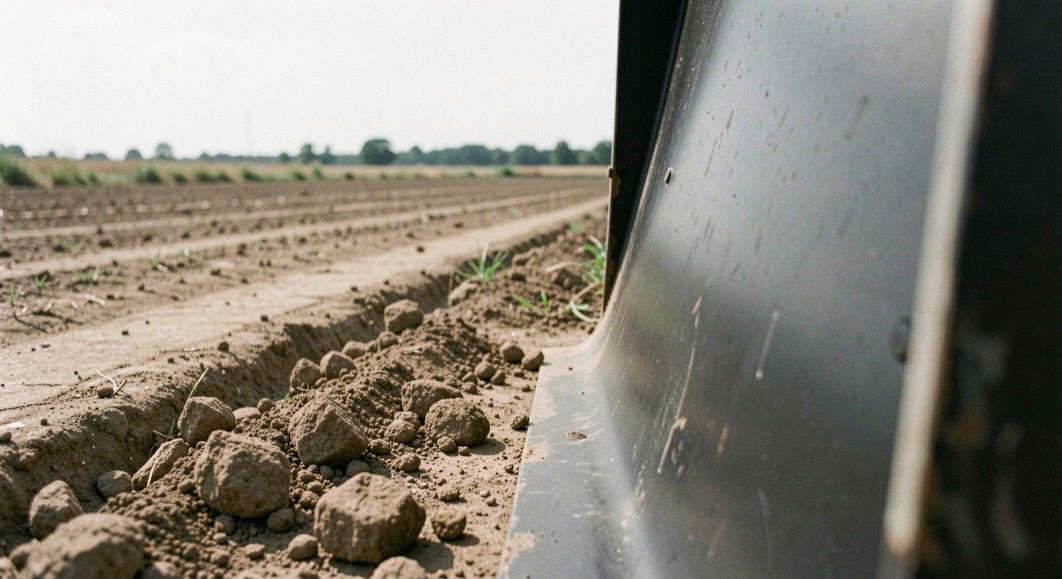
Berms: carrying speed through the turn
A berm is a wall of dirt asked to do the job of banking. Write out the banking relation and you can see exactly how much of that job the dirt refuses, and who pays for the rest.
-
· Jumps and Ruts
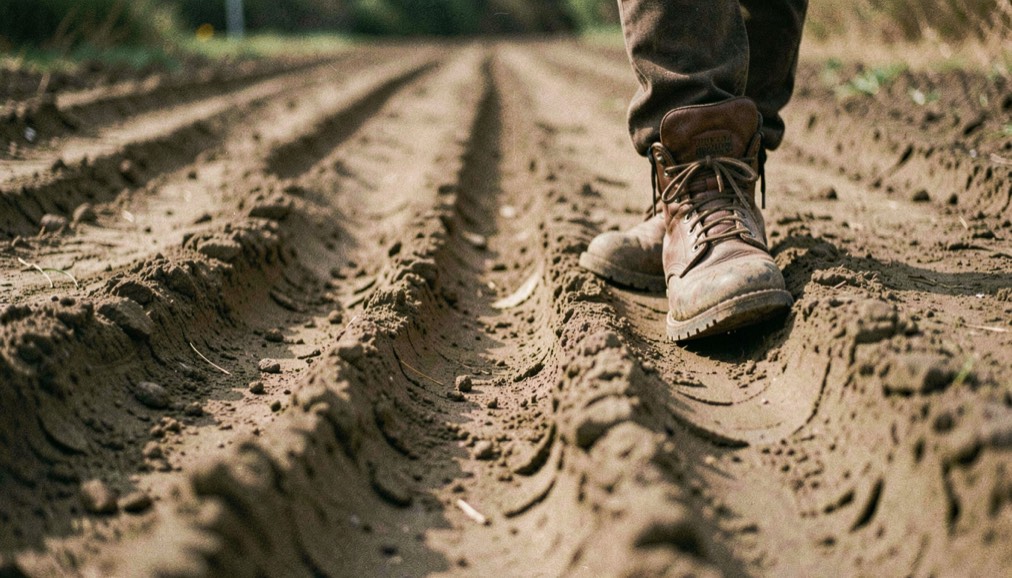
Rut corners: picking a line and holding it
A rut is a corner that steers for you, right up to the moment it does not. Reading one is mostly a matter of knowing which part of it is load bearing and which part is spoil.
-
· Jumps and Ruts
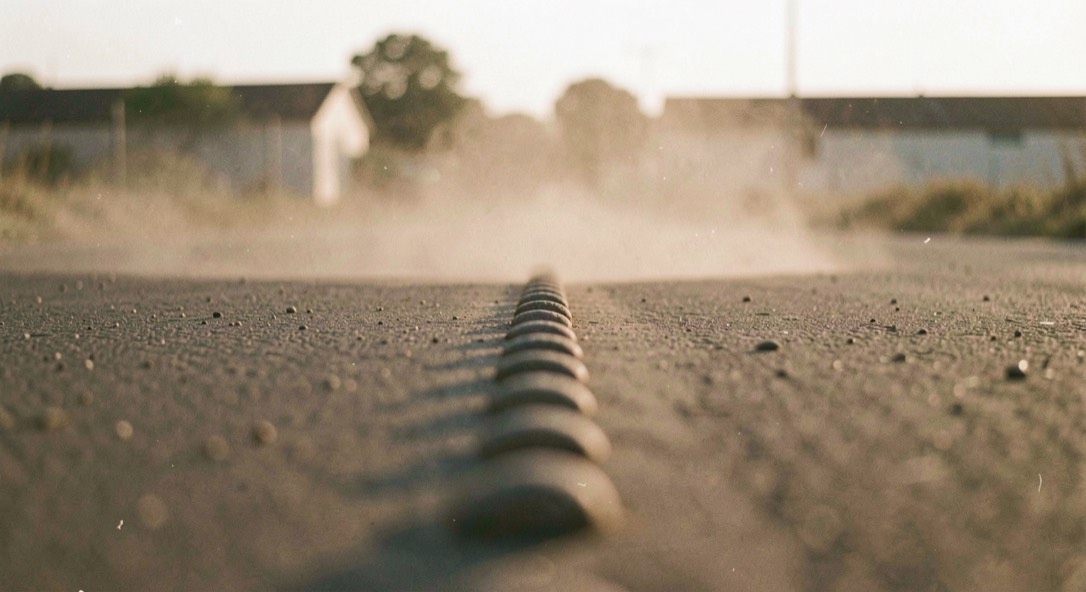
Whoops and braking bumps on a beaten straight
Whoops are not obstacles, they are a frequency. Once you know the spacing and your speed you know what the suspension is being asked to do, and whether it can.
Read this series next to Track Care, and the desk note on the about page.