Series 01 · Reading the Track
Reading a motocross track: line, grip and marks
How to read a motocross track before you ride it: the walk on foot, the marks that show where riders brake, the conditions and the course markers.
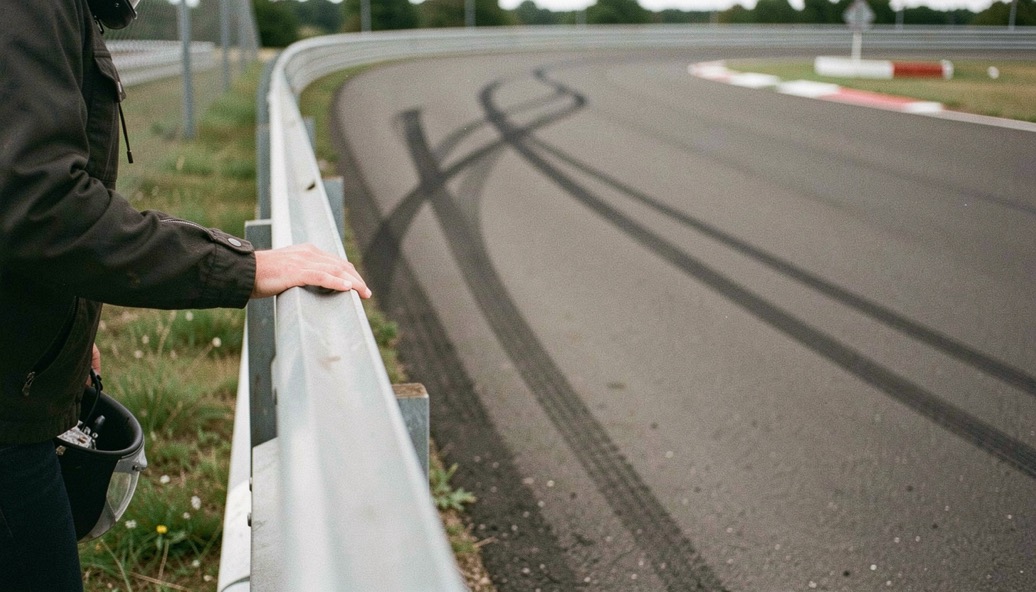
Everything a track will do to you in the first ten minutes is already written on it before you start the engine. The dark fan of braking marks at a corner entry, the polished stripe where a hundred rear wheels have spun, the loose berm crest that nobody has committed to yet: these are records, and reading them is a skill that can be learned on foot in a quarter of an hour.
What this series covers
Four notes, from the widest reading down to the smallest. The first sets out a repeatable walk around a track and the six places worth stopping. The second stays in the parking lot and reads the conditions from there, before a wheel touches dirt. The third takes up the line itself and shows, with plain arithmetic, why a corner exit is worth far more than a corner entry. The fourth reads the course markers and the flags, which are the only part of a track that means exactly what it says.
What it does not cover
Nothing here names a track, an operator or a rider. This desk writes about private practice tracks in general, the kind cut into a field behind a shop or a house, and it takes its facts from documents anybody can open. Where a claim comes from a rulebook or a federal standard, the note says so and links the source.
How to use it
Read the first note before your next practice day and do the walk it describes, with a phone camera and a notebook. Read the second one in the truck. The other two are worth rereading in the middle of the season, when the surface has changed enough that the lines you learned in spring no longer hold.
Stories in this series
-
· Reading the Track
Reading moving water: surf breaks and dirt tracks
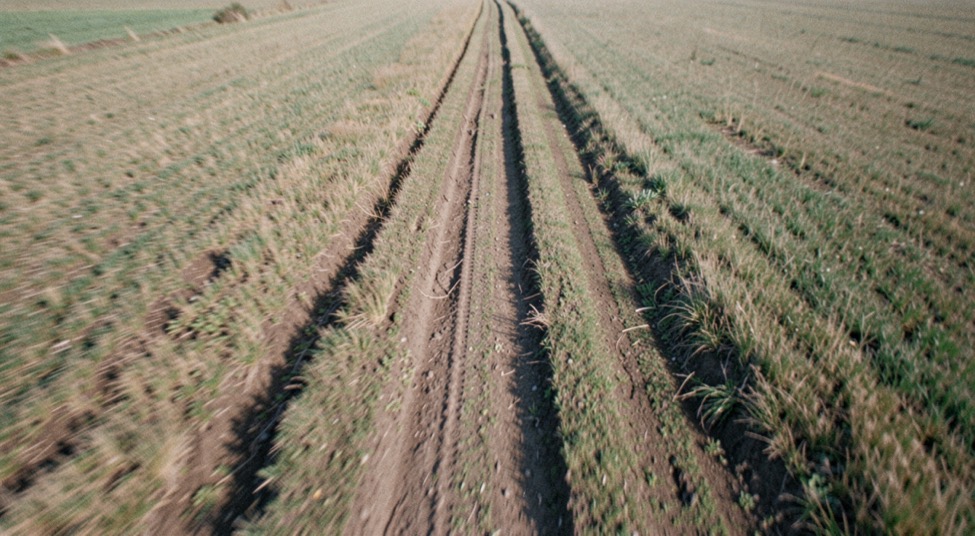
A surf lineup and a motocross track are both read by watching how water moves. On the coast you look for the channel where the rip pulls out and the sandbank where the wave stands up. On dirt you look for the low line where rain ran off and the rut that holds a wheel. Same skill, different surface: find the path of least resistance, then decide whether to use it or avoid it.
-
· Reading the Track
Walking a course you have not ridden
Walk the course in the order you will ride it, not in the order that looks interesting from the gate. Start at the start line, follow the marked route to the finish, then walk it backward once to see what you missed. The first pass tells you where the track goes. The second pass tells you where it will try to put you on the ground.
-
· Reading the Track
Measuring a lap: how long a course is, and what its corners are called
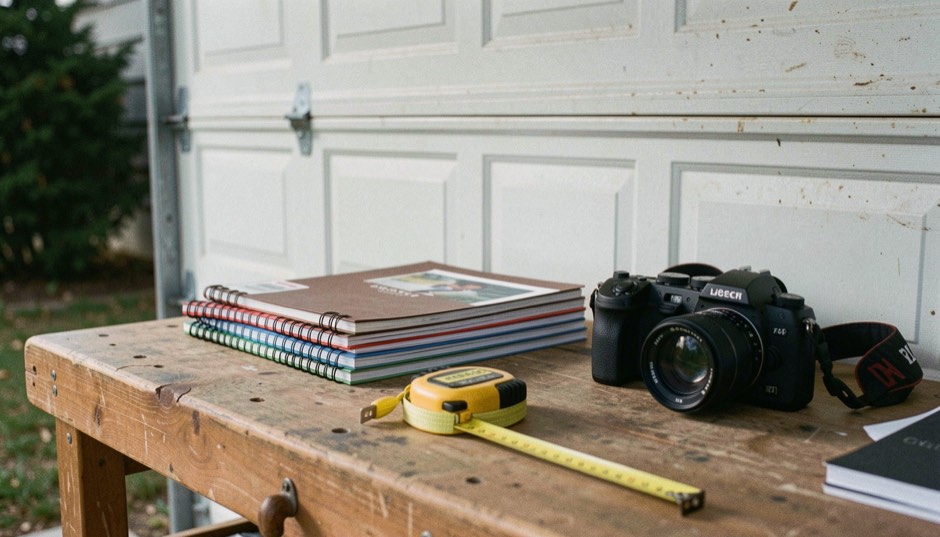
A track carries two lengths, the one it was built to and the one a lap measures, and a course whose corners have names is read differently from one whose corners do not. This note sets out how both figures are taken.
-
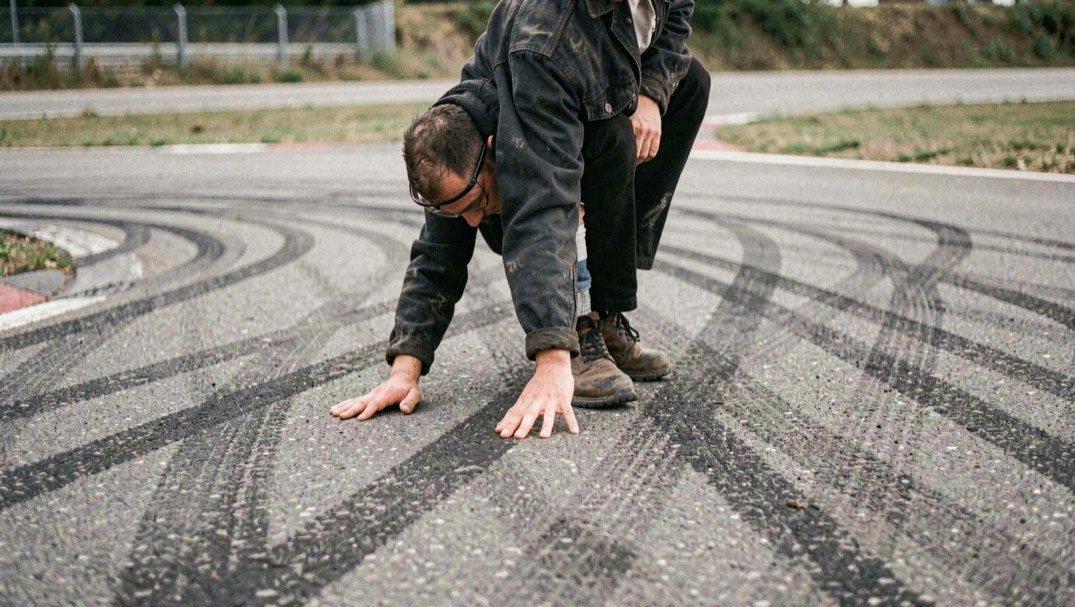
· Reading the Track
How to read a track before you ride it
A track walk is fifteen minutes of work that changes the first three laps. Here is a repeatable route around a private track, what each stop is for, and how to write it down.
-
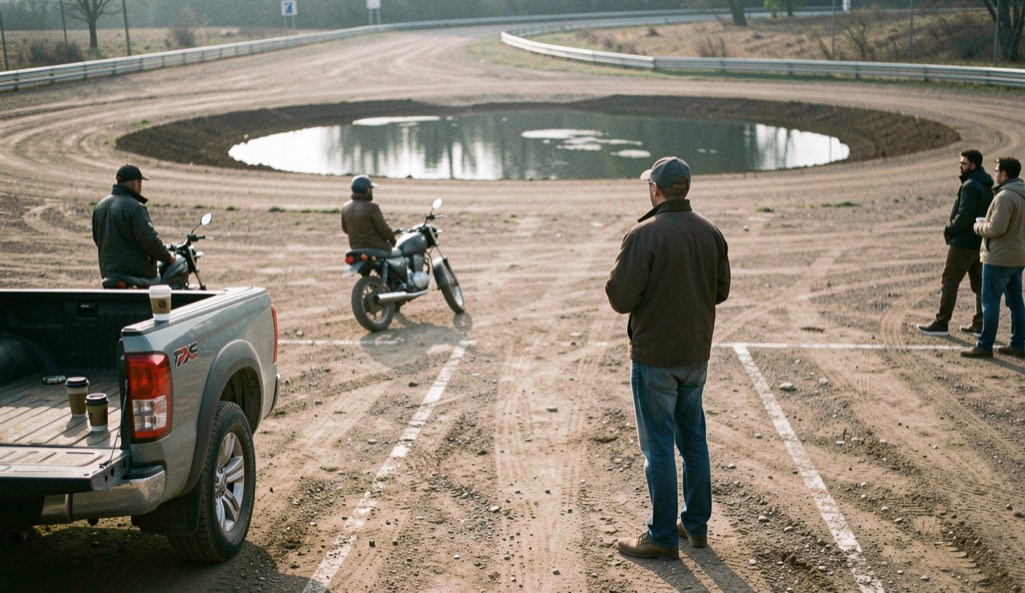
· Reading the Track
Reading the conditions from the parking lot
Half of what you need to know about the surface is visible from where you park. Here is the order to read it in, and the mistakes that reading makes people repeat.
-
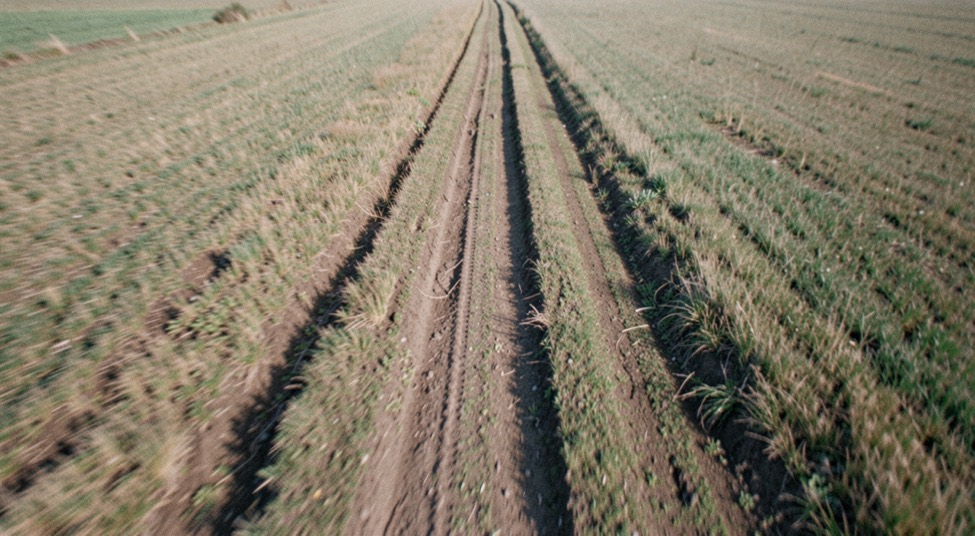
· Reading the Track
Riding lines: where the clock is actually won
Two miles per hour more at the corner exit is worth more than a braking point moved four meters later. Here is the arithmetic, and what it deliberately ignores.
-
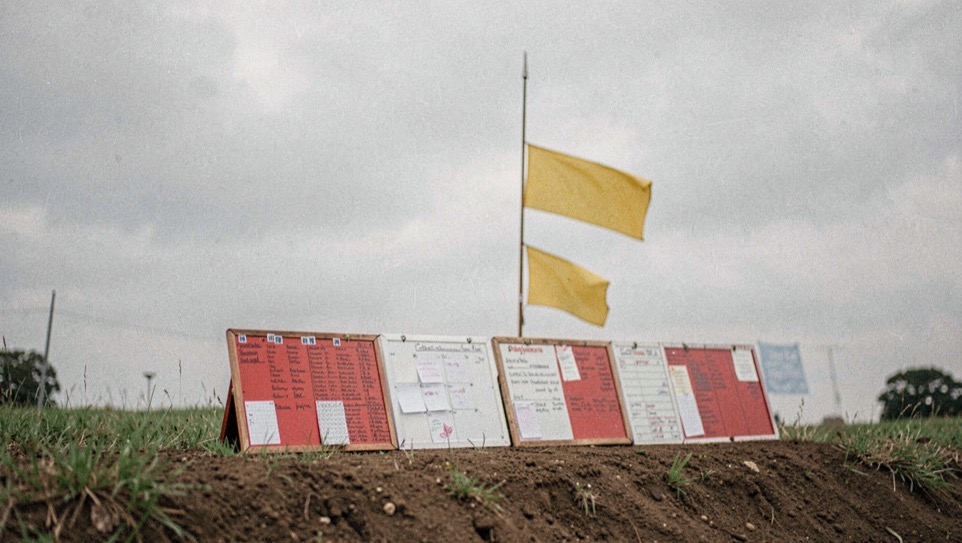
· Reading the Track
Course markers, flags and what they tell you
Markers say where the track is. Flags say what you must do, right now, whatever you were planning. Here is the published list, and the three that change your riding immediately.
Read this series next to Jumps and Ruts, and the desk note on the about page.