The same discipline applies whether you are shopping for a dirt bike or a used bicycle. A practical French guide to real cost and verification, used bike cost checks, lays out the inspection order and the paperwork trail that keeps a private sale honest. The logic transfers: inspect the structure first, price it against comparables, then put every agreement in writing.
What to check on the frame before you pay
Start with the frame because everything else bolts to it. Put the machine on a stand so both wheels are off the ground, then sight down the backbone from behind the rear fender. A straight frame shows one clean line through the steering head. A bent one shows a kink, a ripple in the paint, or a gap that changes width as you move your eye along the tube.
Look for cracked paint at the welds around the steering head, the swingarm pivot, and the shock mounts. Fresh paint over a weld is a warning, not a selling point. Run a finger along the underside of the lower frame rails. Deep gouges are normal on a dirt bike. A crease that runs across the tube is not.
Check the steering head bearings by lifting the front wheel and turning the bars lock to lock. Roughness, a notch at center, or play you can feel means new bearings, a job that runs a few hours of labor. Grab the front wheel and push it side to side with the bars held straight. Any movement at the steering stem is a problem you cannot ride around.
Measure the wheelbase if you have a tape. Compare it to the factory number for that model year. A frame that has been straightened after a hard crash often sits a few millimeters off, and that shows up as a machine that will not track straight in ruts.
Are the safety parts good enough to ride?
Safety parts are the ones that stop you, steer you, and hold the wheels on. Treat them as a separate budget line, because they wear out and they are not cheap.
Brakes first. Squeeze the front lever and watch the caliper. The pads should have more than 2 mm of material left. Pull the lever to the bar and hold it for thirty seconds. If it creeps toward the grip, the master cylinder or the lines need attention. Check the rear pedal the same way. Look at the rotor for deep grooves or a blue tint, which means it has been overheated.
Wheels and tires next. Spin each wheel and watch the rim at the brake caliper. More than 2 mm of side-to-side wobble means a bent rim or a bad bearing. Grab the tire at the top and push and pull. Any click is a wheel bearing. Check the spoke tension by tapping each spoke with a wrench. A dull thud instead of a ring means a loose spoke. Tires older than five years are hard and cracked even if the tread looks fine, so read the date code on the sidewall.
Suspension and steering. Push down hard on the front end and let it rebound. It should come back once and settle. Oil weeping past the fork seals leaves a ring on the tube. Check the shock for the same. Grab the swingarm and try to move it side to side. Play there means swingarm bearings, and that is a stand-up job.
Chain and sprockets. Pull the chain away from the rear sprocket at the three o'clock position. If you can see more than half a tooth of daylight, the chain is stretched. Worn sprocket teeth hook forward like a wave. A chain and sprocket set is a known cost, so price it in.
How do you read the asking price against comparables?
An asking price is a wish. A comparable sale is a fact. Build your number from three to five machines of the same model, within three model years, sold in your region in the last six months.
Write down four columns: year, hours or mileage, condition notes, and asking price. Then adjust. Subtract for every item on your inspection list that needs work. A fork service, a chain and sprocket set, tires, and brake pads together can run several hundred dollars. A bent rim or a frame repair can double that.
Look at how long the listing has been up. A machine priced right sells in one to two weeks in most markets. One that has sat for two months is either overpriced or has a problem the photos do not show. Ask the seller directly why it has not sold. The answer tells you a lot.
Compare private party to dealer pricing. A dealer adds a warranty and a paper trail. A private seller adds neither unless you write it down. If the private price is within a few hundred dollars of a dealer price for the same model, the dealer is the better risk. If the private price is well below the comparables, ask what is wrong before you get excited.
Never negotiate from the asking price alone. Negotiate from your repair list. Show the seller the worn sprocket, the weeping fork seal, the cracked tire. Each item is a number. That is how you get to a fair price without arguing about feelings.
What should you keep in writing?
Everything that matters. A handshake is not a record. Put the deal on one page and have both parties sign and date it.
The page should list the make, model, year, and VIN or frame number. It should state the sale price, the date, and the names and contact details of both parties. It should state clearly that the seller confirms they own the machine and that it is free of liens. If the seller says the machine has never been raced or has a fresh top end, write that down too. A claim in writing is worth more than a claim in a text message.
Ask for the title or the registration document and check the frame number against it. If the numbers do not match, stop. A mismatched frame number is the single biggest red flag in any used vehicle sale, and no price is low enough to make it worth the risk.
Keep the bill of sale, the title transfer, and any service records in one folder. Photograph the machine and the odometer or hour meter on the day of sale. If a dispute comes up later, that folder is your evidence.
If you are buying from a private seller, ask for a written statement about known defects. A seller who refuses to put anything in writing is telling you something. Believe them and keep looking.
A short pre-purchase routine
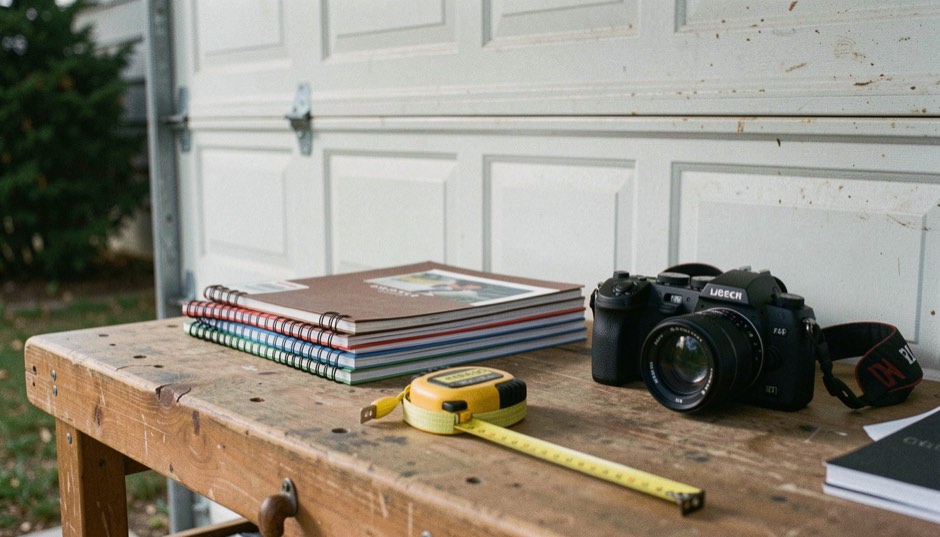
Bring a flashlight, a tape measure, a small wrench for the spokes, and a rag. Spend twenty minutes on the frame and safety parts before you start the engine. Then start it cold, let it idle, and listen for rattles. Ride it if you can, at least in first and second gear, and test the brakes hard enough to feel them bite.
Add up your repair list. Compare the total to your comparables. If the numbers work and the paperwork is clean, buy it. If either one is off, walk. There is always another machine, and the one you skip today is the one that does not cost you a season of repairs.